
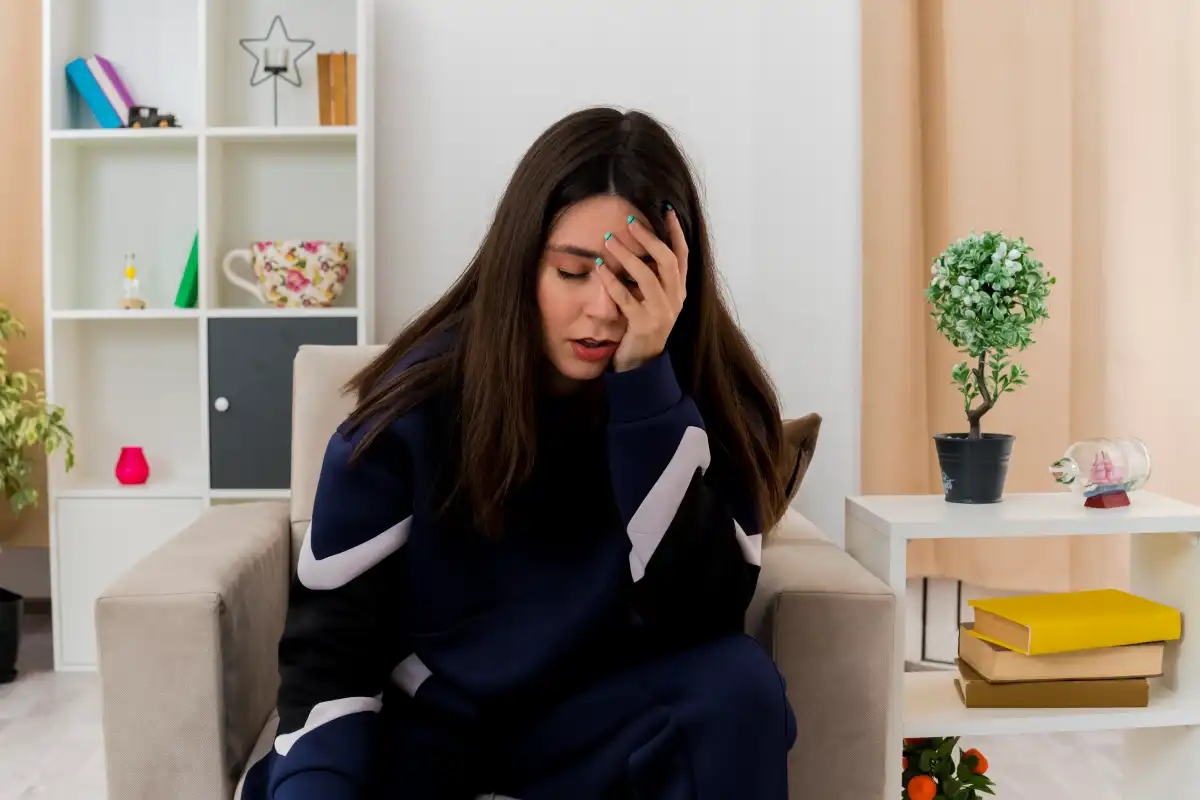
Photo Credit: Freepik.com
Emotional Regulation in an Emotionally Exhausting World
Emotions are an integral part of being human. They influence how we think, make decisions, respond to challenges and connect with others. Yet in an increasingly demanding world individuals are often expected to remain productive and emotionally available while managing constant pressures. Over time, this can leave the mind emotionally exhausted.
Emotional regulation is the ability to recognise, understand, manage and approximate emotions without allowing them to overwhelm our thoughts or behaviour. It does not mean suppressing difficult emotions or remaining positive at all times.. Healthy regulation involves acknowledging what we feel and choosing how we respond.
When Emotions Become Overwhelming
Emotional exhaustion can develop when stress continues for a prolonged period without adequate recovery. Workplace pressure, relationship difficulties, caregiving responsibilities, financial concerns, grief, chronic stress, or major life transitions can gradually deplete an individual’s emotional resources.
A person experiencing emotional exhaustion may feel mentally drained, trapped, irritable, unmotivated , disconnected or unable to cope with situations that previously felt manageable. Sleep difficulties, fatigue, difficulty concentrating, persistent worry, and changes in mood may also accompany prolonged emotional strain.
When emotional capacity is reduced, even minor challenges can trigger disproportionately strong reactions. This is not necessarily a sign of weakness; it may reflect a nervous system that has been under sustained stress.
Regulation is not Suppression
One of the most important distinctions in emotional wellbeing is the difference between regulating emotions and suppressing them. Suppression involves pushing feelings away or hiding them, often because a person fears judgement, conflict, or appearing vulnerable.
Unprocessed emotions, however, do not simply disappear. They may continue to influence thoughts, physical responses, relationships, and behaviour. Healthy regulations allows individuals to notice an emotion, understand what may be contributing to it, create some psychological space, and respond more intentionally.
For individuals who have experienced trauma or prolonged stress, even identifying emotions can sometimes be difficult. Emotional numbness or disconnection may have developed a way of coping. This highlights why emotional regulation is not simply about “ controlling yourself”; it is a skill that can be developed gradually through awareness, safety, and practice.
Building Emotional Regulation Skills
Psychological approaches such as mindfulness and cognitive reappraisal can help individuals develop healthier responses to emotional experiences. Mindfulness encourages awareness, acceptance of thoughts and feelings without immediately reacting to them. Cognitive reappraisal involves looking at a situation from a different perspective, which can reduce the intensity of an emotional response.
Other helpful practises include taking a pause before reacting, identifying emotional triggers, expressing feelings assertively, maintaining healthy sleep and routines, engaging in physical activity, journaling, and seeking supportive relationships.
Emotional regulation is a learned and developing skill, not a fixed personality trait. With consistent practice and appropriate support, individuals can strengthen self – awareness, improve resilience, and respond to life’s challenges more adaptively.
ImPerfect provides a supportive space for individuals to understand their emotional experiences, develop health regulation skills, and strengthen their psychological wellbeing.
A Final Thought
You do not need to control every emotion to be emotionally healthy. Sometimes the first step is simply to pause and ask: “What am I feeling, what is this emotion telling me and how can I respond to myself with greater understanding?”
Learning to work with the emotions rather than constantly fighting or suppressing them can be an important step towards greater psychological wellbeing.
You can also read our article on “Emotional Resilience and Psychological Flexibility”.
References:
https://www.medicalnewstoday.com/articles/emotional-self-regulation#summary
https://www.healthline.com/health/emotional-exhaustion#the-bottom-line
https://positivepsychology.com/emotion-regulation/
For Further Reading
Zhao, J. L., Li, X. H., & Shields, J. (2019). Managing job burnout: The effects of emotion-regulation ability, emotional labor, and positive and negative affect at work. International Journal of Stress Management, 26(3), 315.
Restubog, S. L. D., Ocampo, A. C. G., & Wang, L. (2020). Taking control amidst the chaos: Emotion regulation during the COVID-19 pandemic. Journal of vocational behavior, 119, 103440.
Wang, Y., Wang, N., & Shen, B. (2024). A network approach to language learning burnout, negative emotions, and maladaptive emotion regulation strategies. Studies in Second Language Learning and Teaching, 14(3), 421-451.