
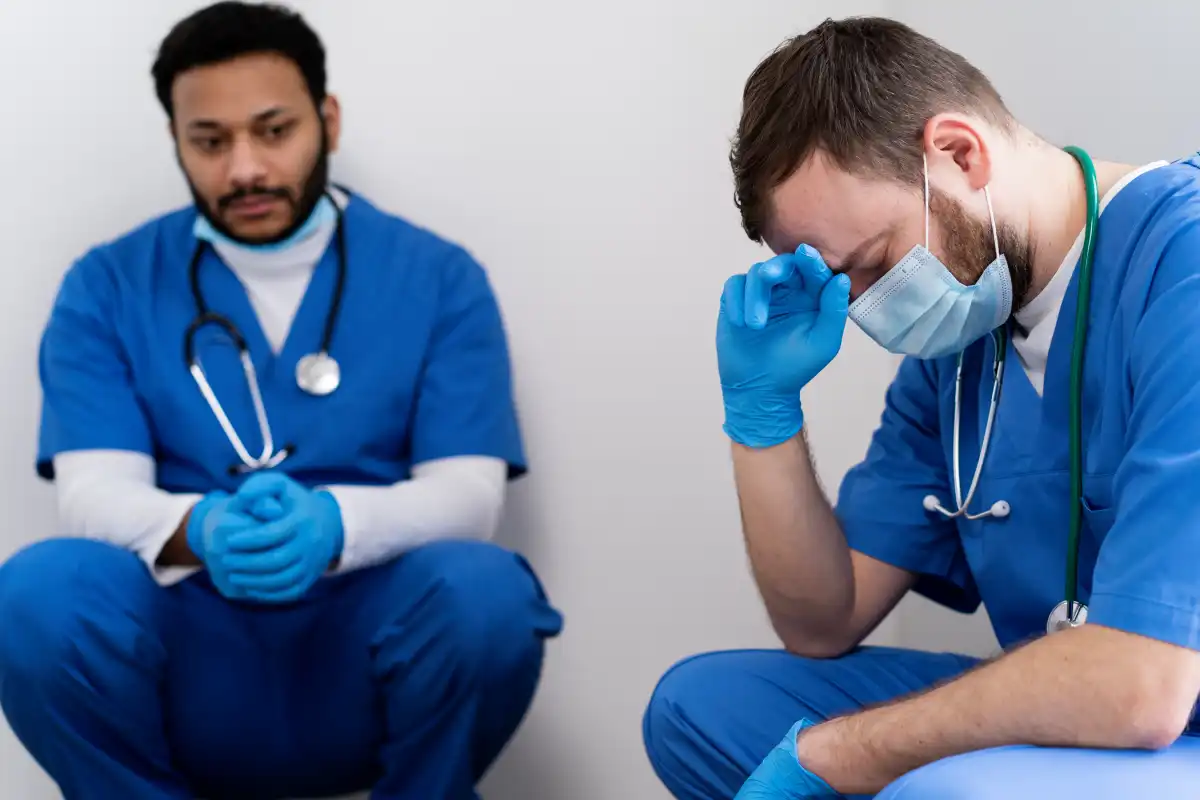
Photo Credit: Freepik.com
Moral Injury Among Healthcare Workers: When Caring Conflicts With Conscience
Understanding Moral Injury In Healthcare
Healthcare professionals enter their professions with a strong commitment to caring, healing and protecting human life., There are situations where they may be unable to provide the care they believe is ethically right. When professional responsibilities, workplace realities and personal moral values collide, healthcare workers can experience moral injury -a profound form of psychological distress associated with morally challenging experiences.
Moral injury may occur when healthcare workers do something they believe is wrong, fail to do something they believe they should have done, or witness action that violates their deeply held moral values. It can also arise when workers experience betrayal or inadequate support from colleagues, leaders or healthcare institutions.
What Can Cause Moral Injury
Healthcare workers may encounter potentially morally injurious situations such as:
- Being unable to provide adequate care because of limited resources or staffing
- Witnessing practises they believe are harmful or unethical
- Having to make difficult decisions involving life, death or patient suffering.
- Working beyond their competence because of overwhelming demands
- Feeling unable to speak up about ethical concerns
- Witnessing discrimination or prejudice within health care settings
- Feeling abandoned or unsupported by leadership during difficult situations
- Experiencing conflict between organisational policies and professional or personal values.
These experiences can be particularly distressing because healthcare professionals may feel that their ability to care for patients is being compromised despite their best intentions.
The Psychological Impact
Moral injury can affect much more than professional satisfaction. Healthcare workers may experience guilt, shame, anger, frustration, helplessness and a loss of trust. Some may begin questioning their professional identity or wondering whether they are still the kind of healthcare professional they believed themselves to be.
Persistent moral distress may also be associated with anxiety, depression post – traumatic stress symptoms, emotional withdrawal and unhealthy coping behaviours. Some healthcare workers may lose their sense of meaning and purpose, while others may consider leaving the profession all together.
Importantly, moral injury should not simply be viewed as an individual’s inability to cope. organisational conditions matter. Understaffing, inadequate resources, lack of psychological safety and supportive leadership and cultures that discourage employees from expressing ethical concerns can intensify moral distress.
Creating space for healing
Prevention and recovery require both individual and organisational support. Healthcare institutions can promote reflective practice, peer support, psychologically safe communication and supportive leadership. Giving health care workers opportunities to discuss difficult experiences without judgement can help reduce isolation and facilitate emotional processing
At an individual level, therapy can provide a confidential space to explore guilt, anger, shame, grief and feelings of betrayal, while helping individuals reconnect with their values and professional identity.
Conclusion
Healthcare workers spend their lives caring for others. Their psychological well being deserves care too. Recognising moral injuries is an important step toward creating healthier professionals, healthier workplaces and ultimately, better patient care.
At Imperfect Psychotherapy Services, healthcare workers can find a safe and compassionate space to process experiences that may feel too difficult to share within the workplace. Therapy can support emotional processing self – compassion, healthier coping, resilience and the restoration of meaning and purpose.
By Sheeba Prakash and Urveez Kakalia
References