
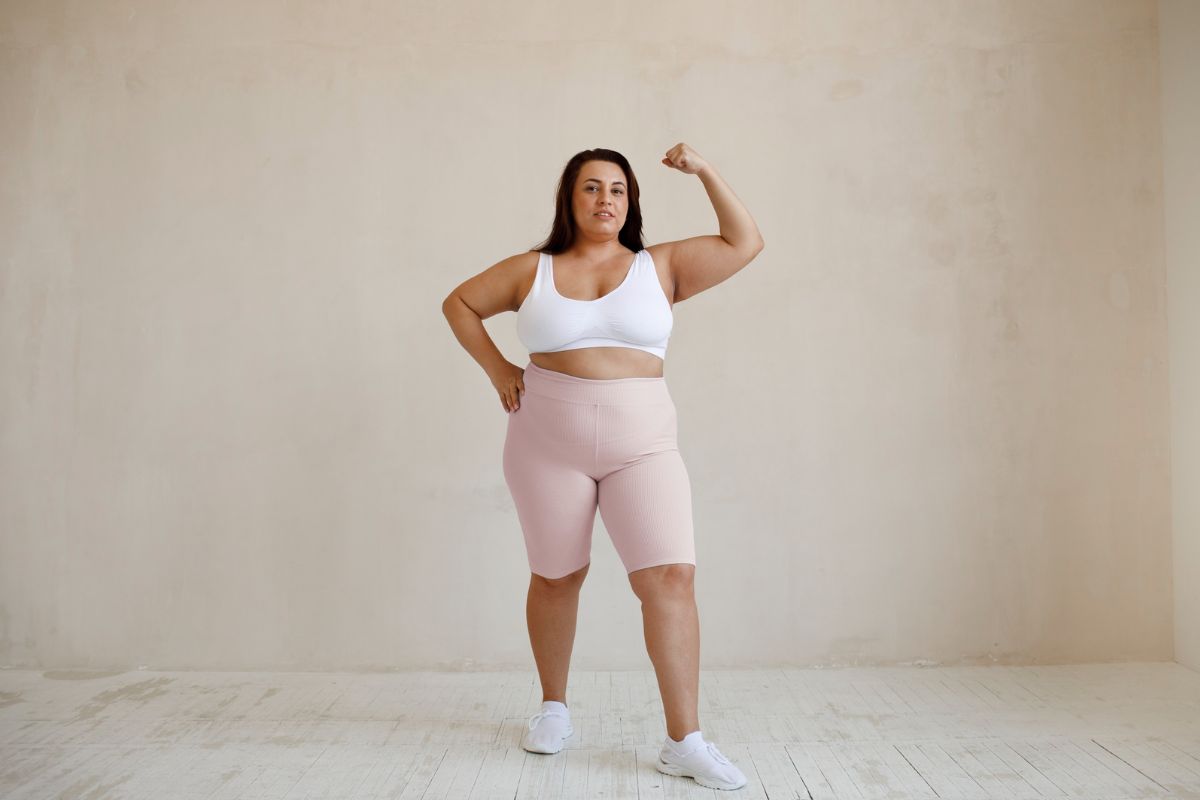
Photo Credit: Freepik.com
The Silent Shift: When Body Positivity Blurs Health Awareness
By Krupa Abraham and Urveez Kakalia
In recent years, the global health landscape has changed dramatically. As of 2022, 1 in 8 people globally live with obesity, with adolescent obesity having quadrupled and adult obesity more than doubling since 1990. Approximately 2.5 billion adults are now overweight, with nearly 890 million classified as obese. Among children, the concern is growing rapidly in 2024. 35 million children under 5 were overweight, and over 390 million aged 5-19 were in the same category.
What do Overweight and Obesity mean?
Overweight refers to excessive fat accumulation, while obesity is a chronic and complex condition where fat buildup negatively affects health. It increases the risk of type 2 diabetes, heart disease, reproductive issues, bone problems, and even certain cancers. It also impairs basic quality of life- making it harder to move, sleep, or simply feel well. Diagnoses typically use the Body Mass Index (BMI)- a ratio of weight to height.
For Adults:
- BMI 25+= Overweight
- BMI 30+= Obese
For children: Definitions vary by age, using growth standards rather than a fixed BMI number.
When Health Gets Lost in Fashion:
The movement toward body positivity, such as the launch of Curve by Marks and Spencer, plays a vital role in reducing shame and stigma around body size. By embracing terms like “curve” over “plus” and designing stylish options for larger bodies, fashion helps people feel seen and valued.
However, there’s a flip side. Vanity sizing (labeling larger clothes with smaller sizes) and flattering language can lead to misperception of weight status. When clothes fit well and labels suggest a smaller size, individuals may underestimate their actual health risk, delaying or avoiding weight management efforts.
The Normalisation Trap:
With more people globally living with overweight or obesity, our collective visual “normal” has changed. This visual normalisation theory explains why people increasingly fail to recognise excess weight as a health concern. A recent UK study shows a sharp rise in misperception of weight:
- Between 1997 and 2015, men underestimating their weight rose from 48.4% to 57.9%.
- Among obese men, misperception doubled.
- Individuals with lower education, income, or from minority ethnic groups were more likely to misjudge their weight status.
This trend makes targeted public health interventions difficult. People who don’t believe they are overweight are 85% less likely to try losing weight.
Striking a Balance:
While body positivity is important, we must balance self-love with health awareness. Denying health risks doesn’t serve long-term well-being. Recognising weight-related concerns isn’t about shame- it’s about proactive care. At ImPerfect Psychotherapy, we support people in navigating body image, emotional eating, and self-esteem with compassion. Whether you are struggling with food habits, weight perception, or emotional triggers around body image, we are here to help without judgment. Is your pursuit of self-acceptance with your pursuit of health?
Reference:
1. https://www.who.int/news-room/fact-sheets/detail/obesity-and-overweight
2. https://pmc.ncbi.nlm.nih.gov/articles/PMC6032838/
3. https://www.uea.ac.uk/about/news/article/normalisation-of-plus-size-risks-hidden-danger-of-obesity
Further Readings:
Bosire, E. N., Cohen, E., Erzse, A., Goldstein, S. J., Hofman, K. J., & Norris, S. A. (2020). ‘I’d say I’m fat, I’m not obese’: obesity normalisation in urban-poor South Africa. Public health nutrition, 23(9), 1515-1526.
Patterson, M. C., & Hilton, S. (2013). Normalisation and stigmatisation of obesity in UK newspapers: a visual content analysis. The Open Obesity Journal, 5, 82.
Pieterman, R. (2015). Obesity as disease and deviance: risk and morality in the early 21st century. In Contributions from European Symbolic Interactionists: Reflections on Methods (pp. 117-138). Emerald Group Publishing Limited.